

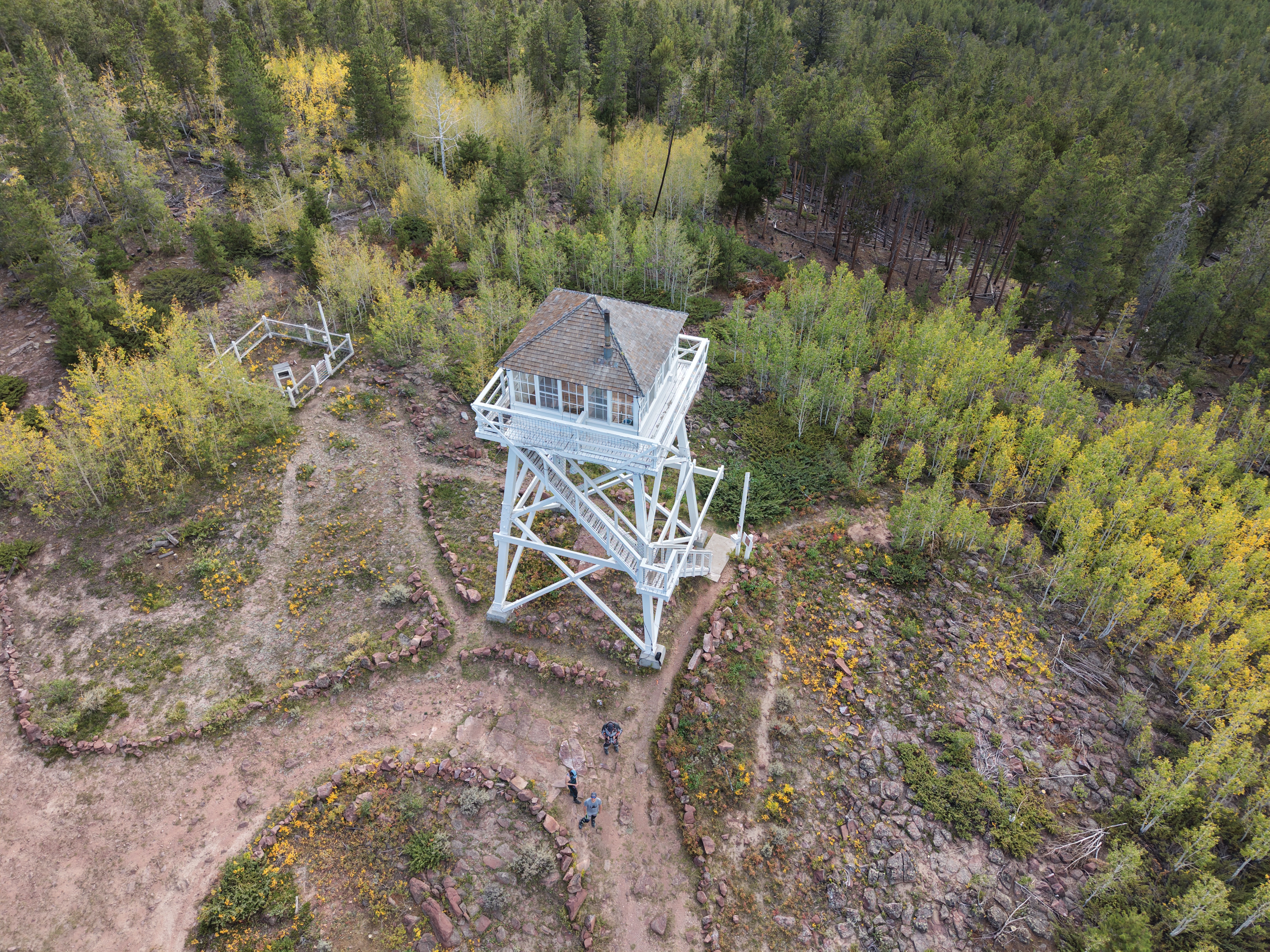
I took this picture from my drone.

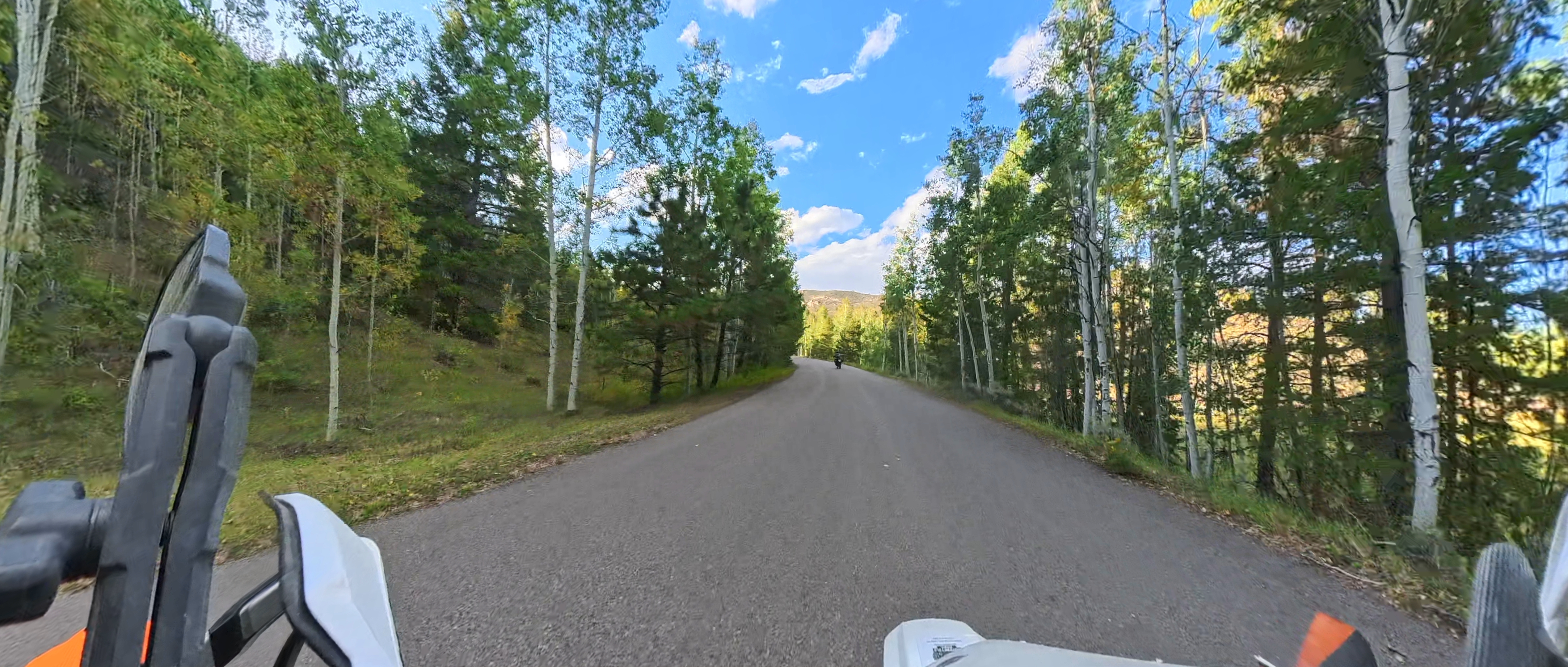
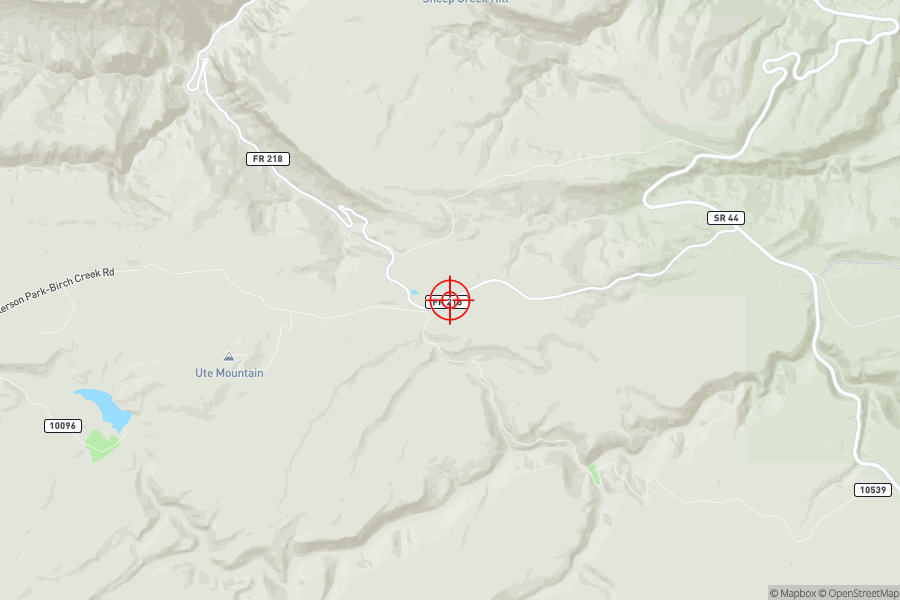
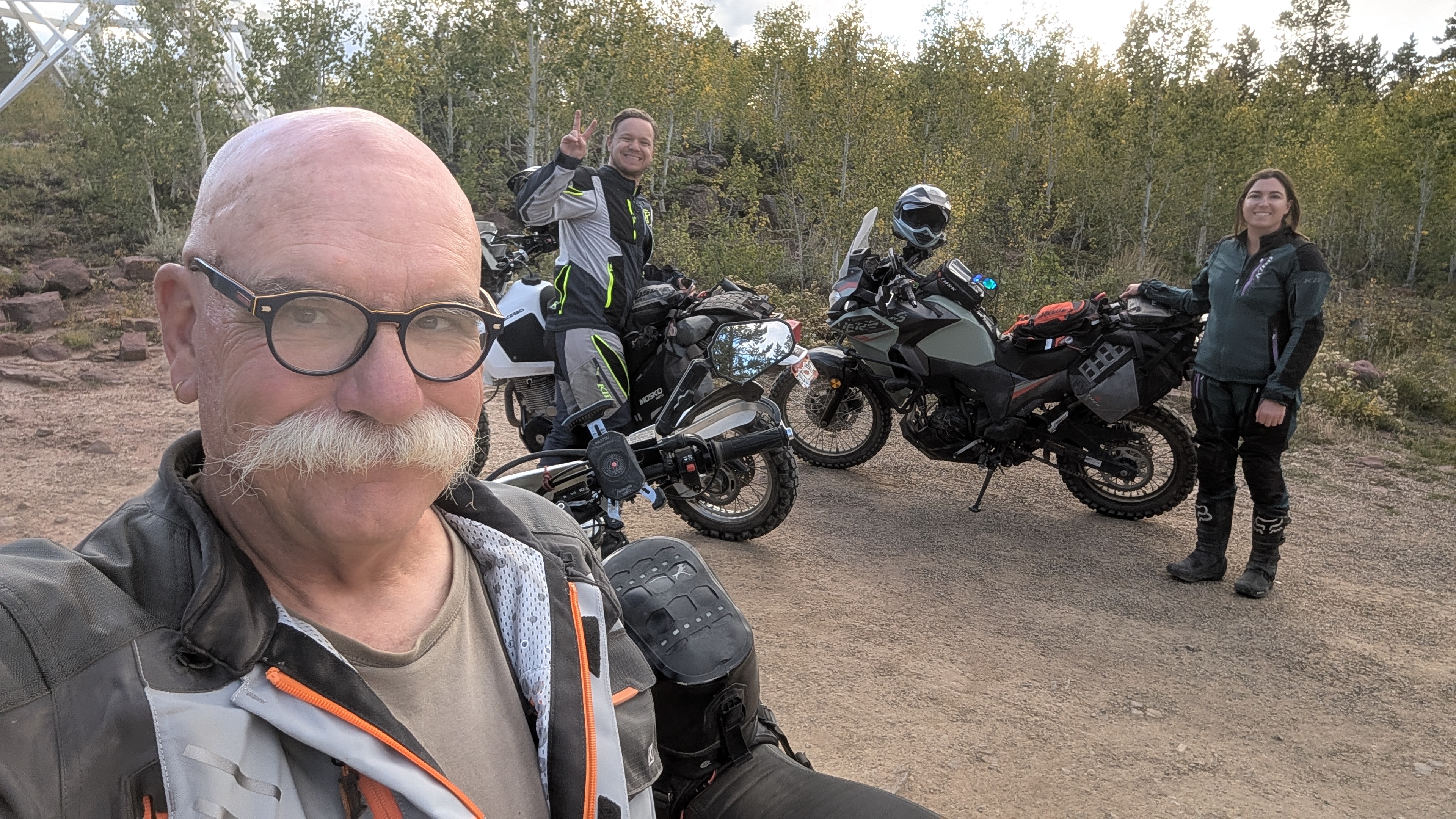
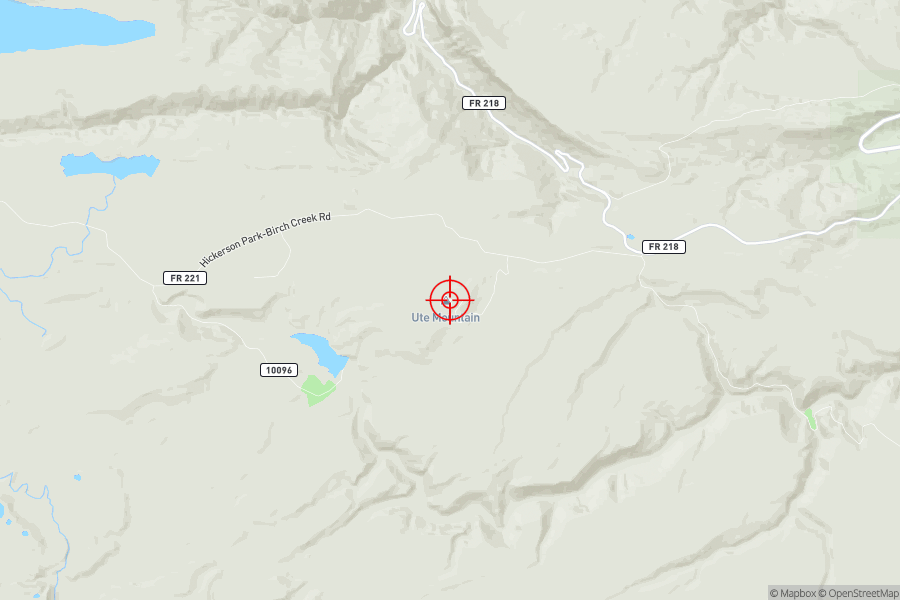
A day trip with Cam and Rach to the Ute Mountain Fire Lookout Tower.
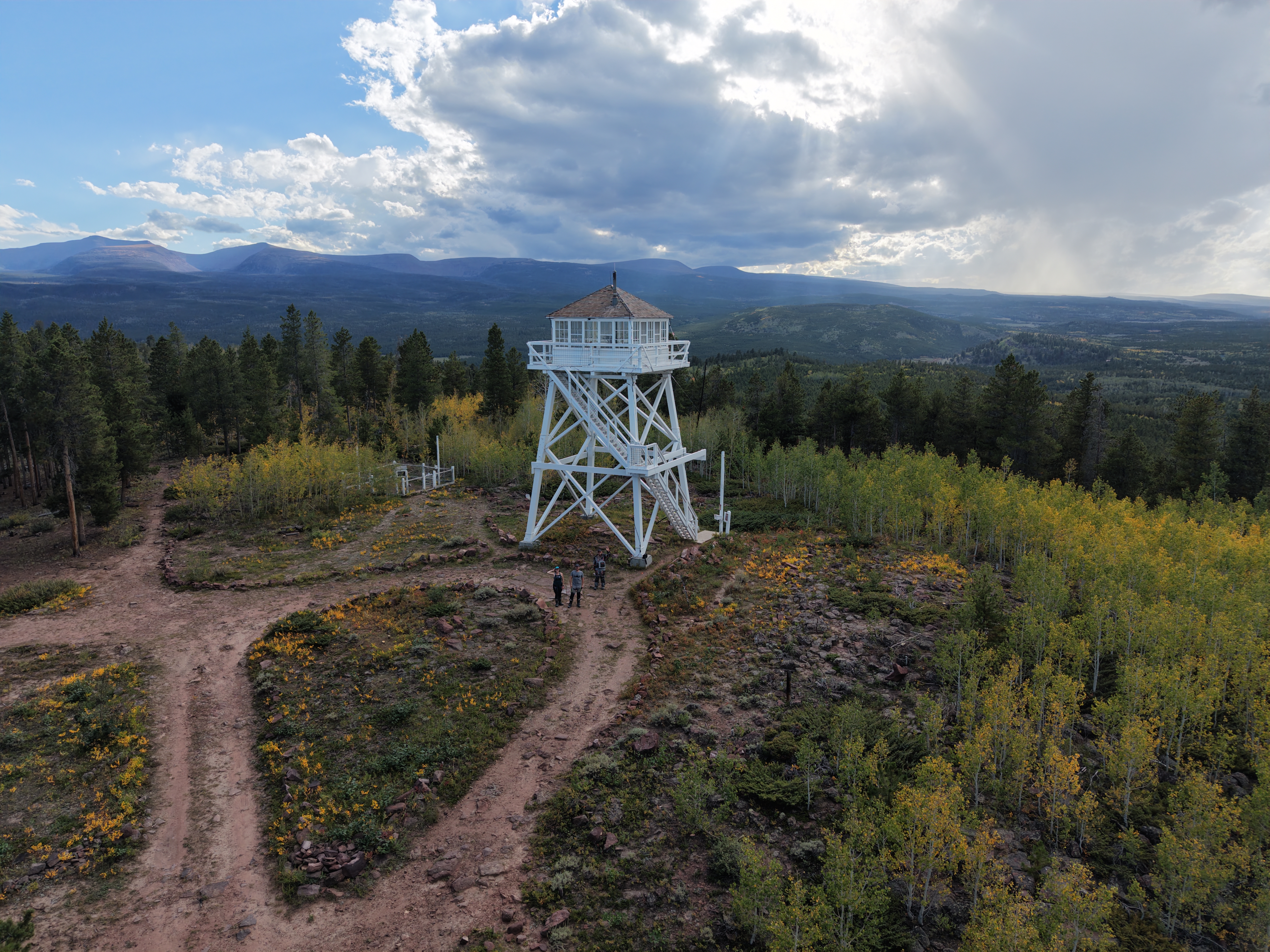
I took this picture from my drone.
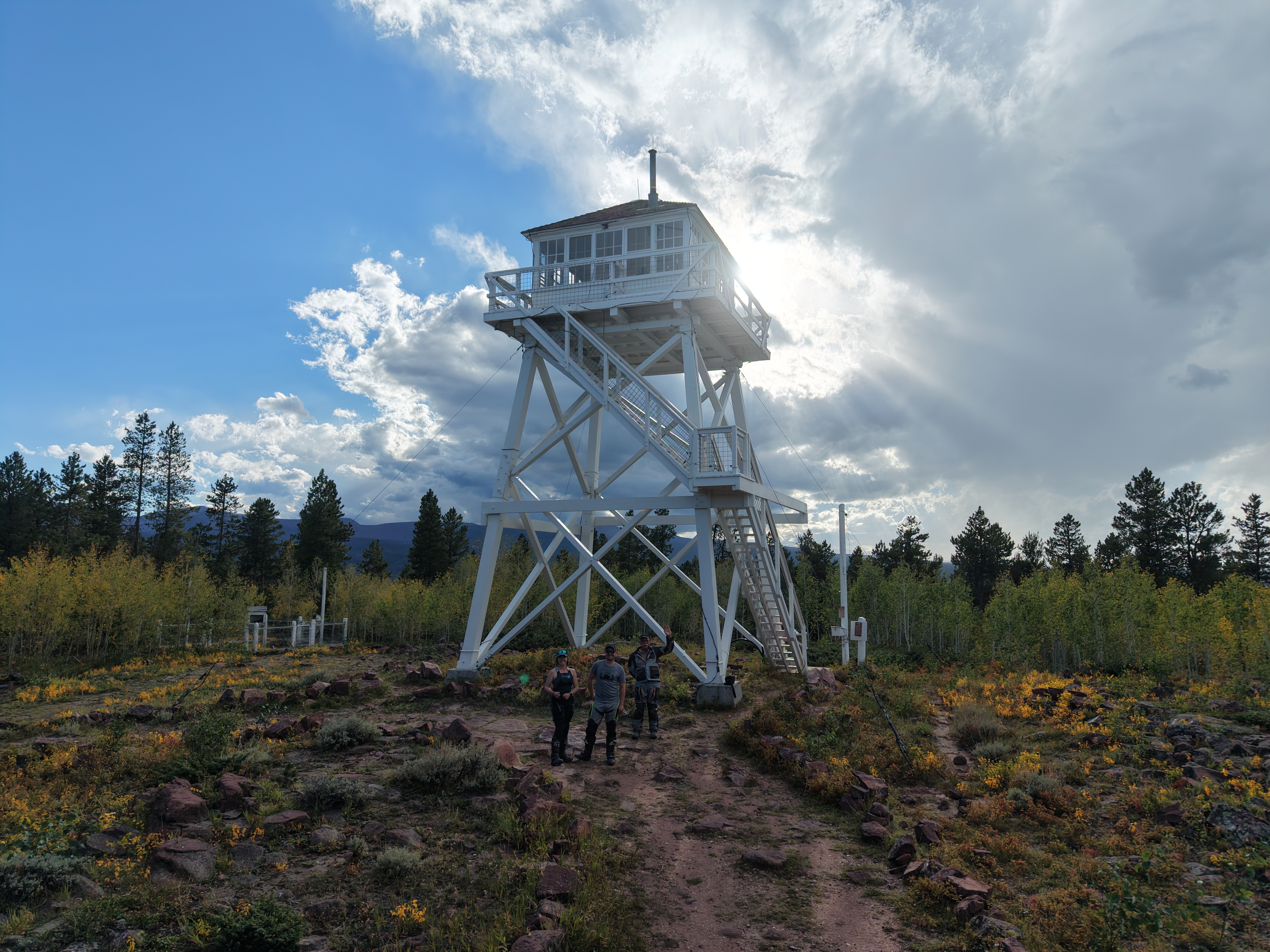
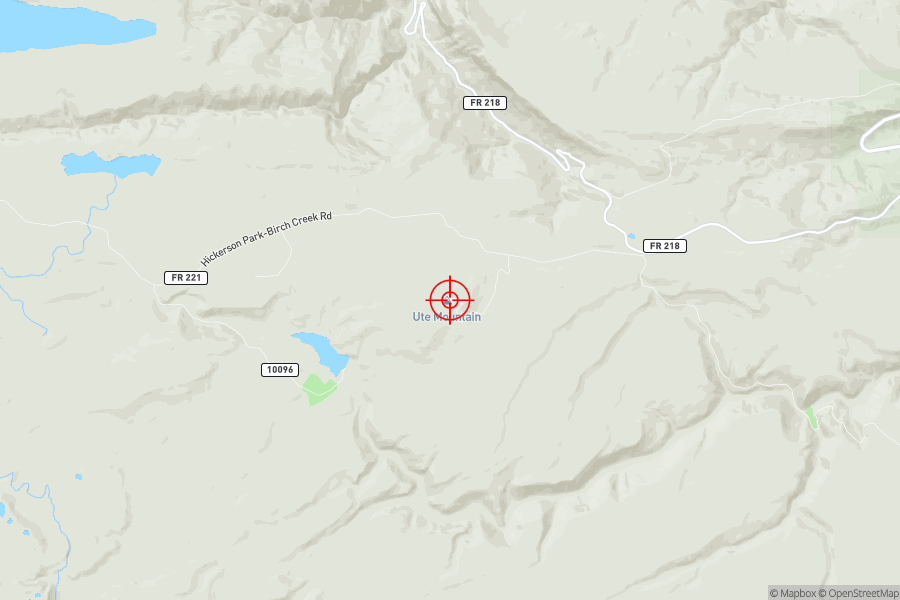
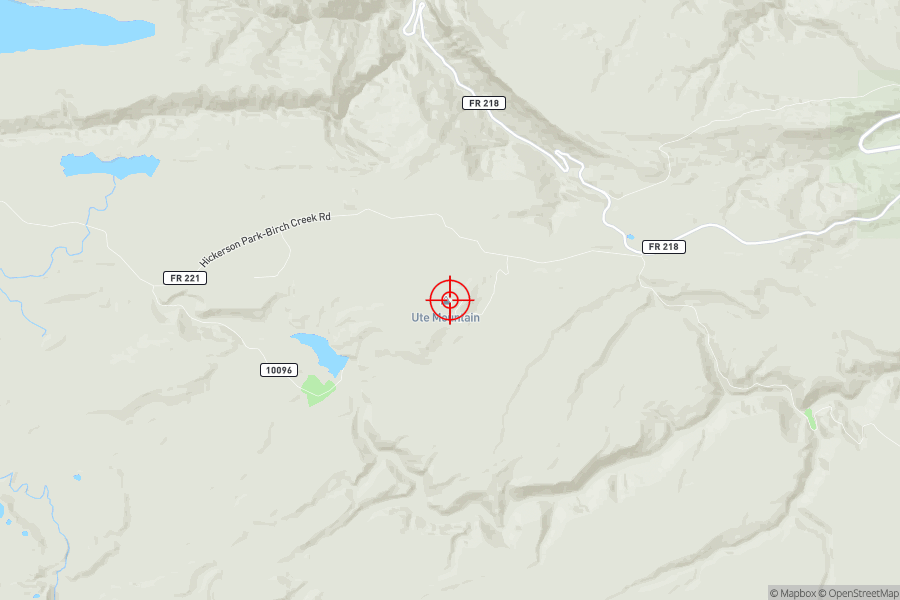
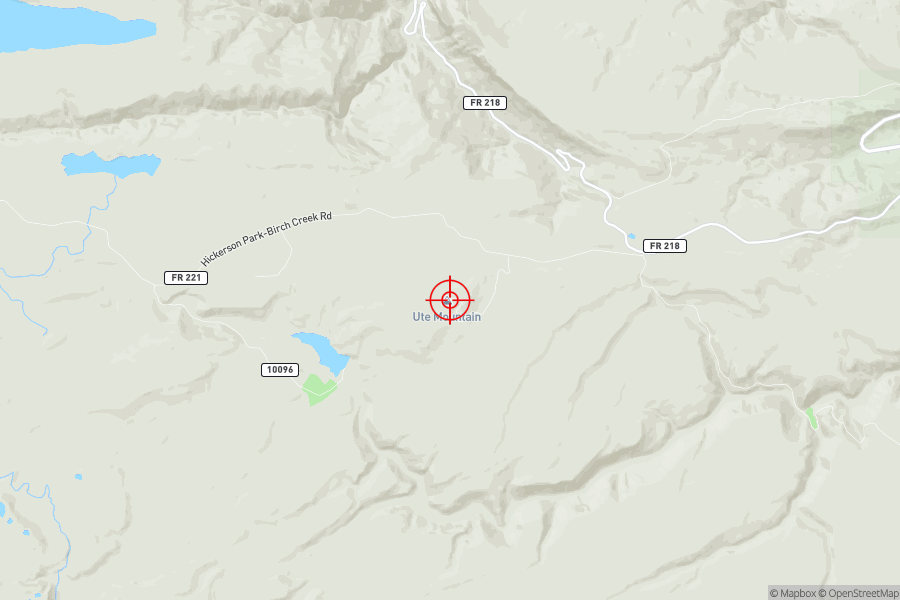
The Ute Mountain Fire Tower is a fire lookout tower in the Ashley
National Forest southwest of Manila.
The tower was built in 1937 and was added to the National Register of
Historic Places on April 10, 1980. Restoration of the tower was
completed in 2013-2014.
Federally sponsored work projects which developed in response to
national unemployment during the Great Depression put hundreds of
men to work on public lands. The Ute'Mountain Fire Tower,
constructed on the Flaming Gorge Ranger District of
the Ashley National Forest, was built by the Civilian Conservation
Corps (CCC) in 1937. Evidence of CCC camps and work projects,
particularity building foundations, are observable in various locations
throughout the Forest. The Fire Tower is unique, however, as it is the
only such structure in the entire state of Utah. The tower consists of
four wooden support legs reenforced by metal guy wires, holding
an observation deck and habitation room. A staircase with a waist-
high railing provides access to the elevated quarters. One double
door provides entry into the enclosed room. Pane glass windows on
all sides of the Lookout allow for excellent viewing in every direction.
Room dimensions are approximately IB'xlB'xS 1 .
Early in 1968, Don Goodrich discussed the status of Ute Lookout Tower in a memo to the Forest Supervisor. His study revealed only an average of 4 per cent of the fires in the area were being detected by
the Ute Lookout. He claimed the disadvantages of keeping the tower were primarily financial in that $10,500 would be required for adequate reconstruction and $2,200 would be its annual maintenance
cost.
From the National Register of Historic Places Inventory Nomination Form See: https://npgallery.nps.gov/NRHP...
Federally sponsored work projects which developed in response to national unemployment during the Great Depression put hundreds of men to work on public lands.
The Ute'Mountain Fire Tower, constructed on the Flaming Gorge Ranger District of the Ashley National Forest, was built by the Civilian Conservation Corps (CCC) in 1937.
Evidence of CCC camps and work projects, particularity building foundations, are observable in various locations throughout the Forest. The Fire Tower is unique, however, as it is the only such structure in the entire state of Utah, The tower consists of four wooden support legs reenforced by metal guy wires, holding an observation deck and habitation room. A staircase with a waist-high railing provides access to the elevated quarters. One double door provides entry into the enclosed room. Pane glass windows on all sides of the Lookout allow for excellent viewing in every direction. Room dimensions are approximately IB'xlB'xS 1 .
The distance from the ground to the deck is approximately 30'. The lower three feet of each support leg has varying degrees of rot and will require replacement. The core sapmles are available at the Flaming Gorge Ranger District at Dutch John, Utah. They were taken October, 1978. A lightening rod on top of the hip roof is connected to wires which descend down the four ridges to the roof corners. From here, they proceed down the four primary support legs of the tower to the ground. A 1/8th inch copper wire connected to all metal objects in the room for grounding electrical charges during storms.
The telephone line connected to the telephone by a single throw-single pull switch. The line was kept open during lightening storms to prevent electrical currents entering the room via the phone line. The telephone tied in with an operator in Vernal so that weather information could be transmitted to the Supervisor's Office daily from the Tower.
Weather data were collected at 10:00 am and 2:00 pm:daily. Temperature, relative humidity, wind direction and speed, fuel moisture, rainfall and cloud cover were calculated at these times in compliance with the National Fire Danger Rating System. Ute Tower was utilized by Forest Service personnel for fire detection through 1968 on a full-time basis during the fire season. In 1969 the structure was closed to all public use. As it still housed radio equipment, the Tower was periodically operated during certain fire conditions that year. By the fall of 1969, the Tower was no longer occupied for weather data collection nor fire detection. It has^ remained unoccupied since, save for a stranded sportsmen in need of shelter or an occasional inspection by Forest Service personnel.
As a protective and safety measure, the lower staircase of the Tower has been removed to prevent access up to the observation deck. An information sign has been posted at the base of the structure describing the reason for denying public access at this time* (copy enclosed). In the summer of 1966, Fleet Stanton, highway engineer, evaluated the condition of the Tower. He found the overall structure to be very sturdy, with the aid of four guy wires and rot-resistant support legs. However, he indicates that several long deep cracks in the support timber could allow moisture to collect which may accelerate decomposition of the wood. The most critical area of suspected failure is at the base of the four legs as moisture concentrates here from snow and rain penetration. Stanton also recommends that railings be more closely examined and braced to withstand sudden impact.
In March of 1967, Sigurd Nilsen estimated repair costs for replacing the structure's legs and railings and for painting and clean-up. The dated figure for material and labor costs was estimated at a total of $1,773.60. In June 1967, Sigurd Nilsen re-examined the Lite Tower and determined the most economical course of action would be to replace the entire structure rather than concentrating on individual problem areas more prone to deterioration. Such action of total replacement would yield a structure which would require minimum maintenance in the future yet involve the destruction of a historically significant site.
Early in 1968, Don Goodrich discussed the status of Ute Lookout Tower in a memo to the Forest Supervisor. His study revealed only an average of 4 per cent of the fires in the area were being detected by the Ute Lookout. He claimed the disadvantages of keeping the tower were primarily financial in that $10,500 would be required for adequate reconstruction and $2,200 would be its annual maintenance cost.
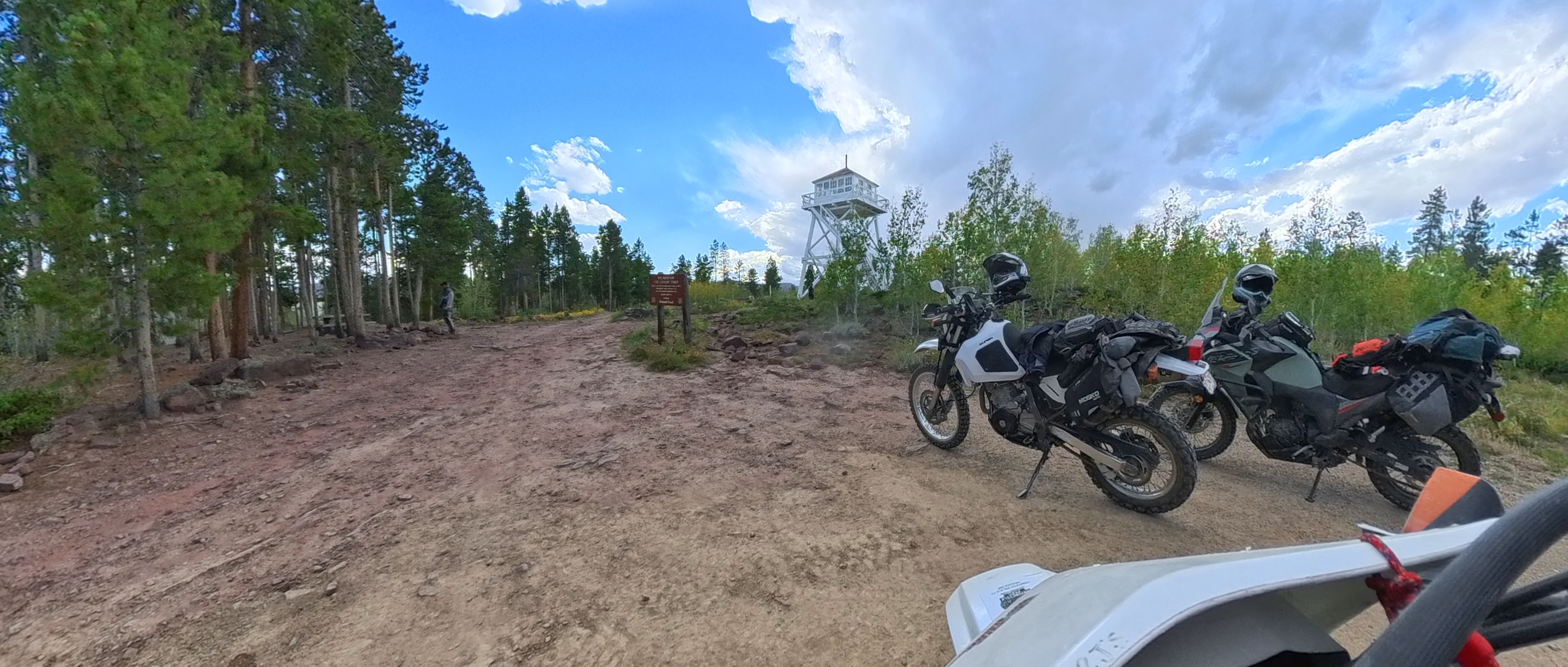
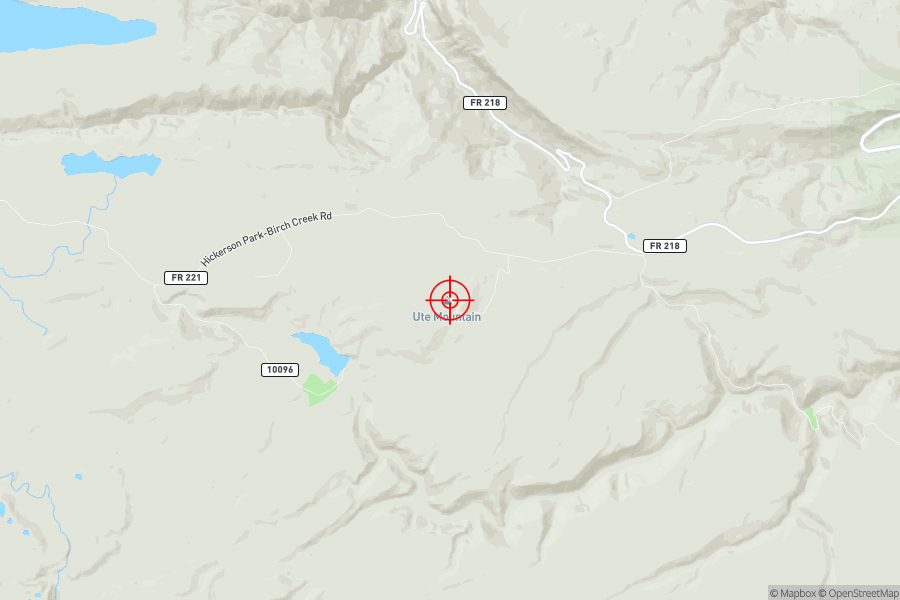
At the Ute Mountain Parking lot.
It is possible to walk up, but not enter the fire lookout station.
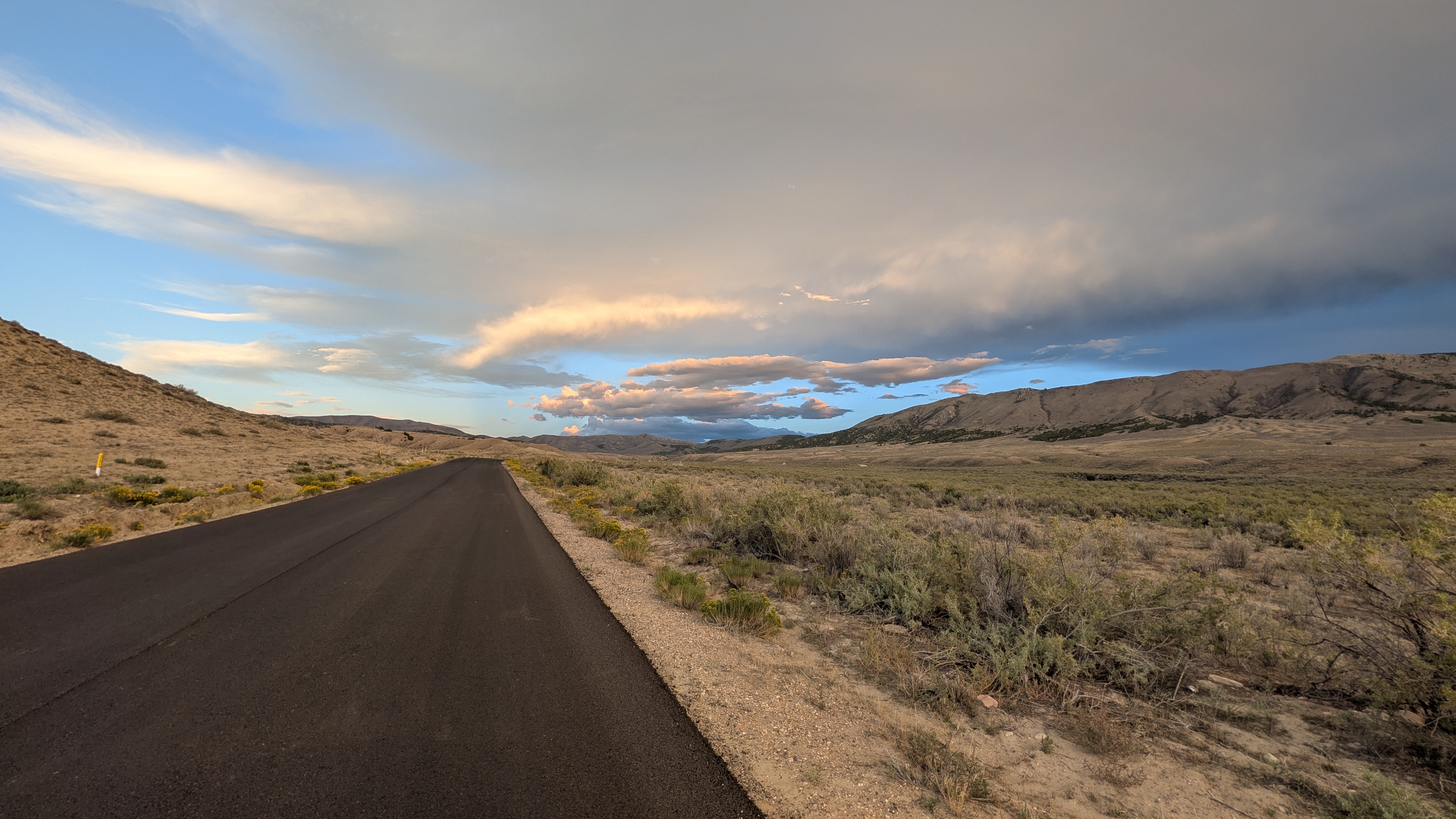
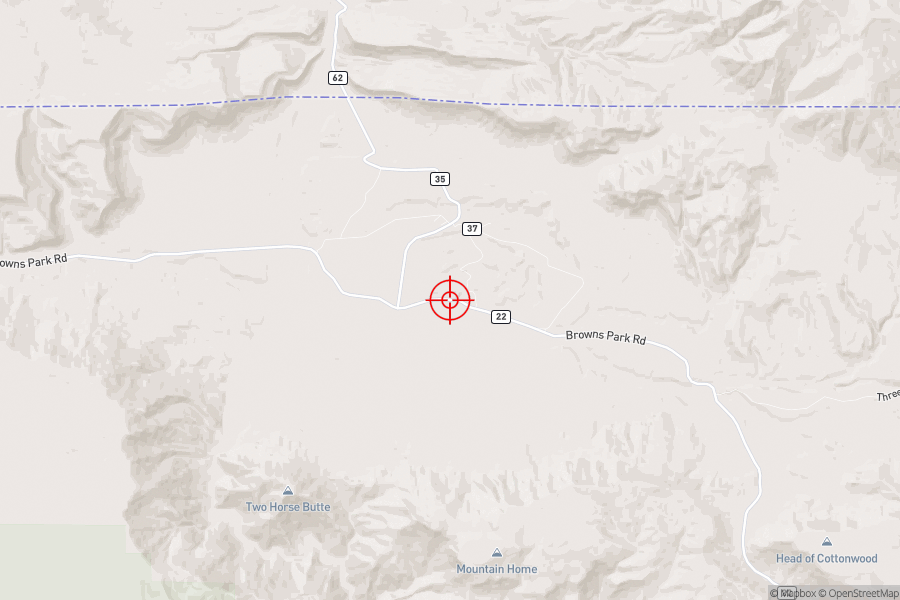
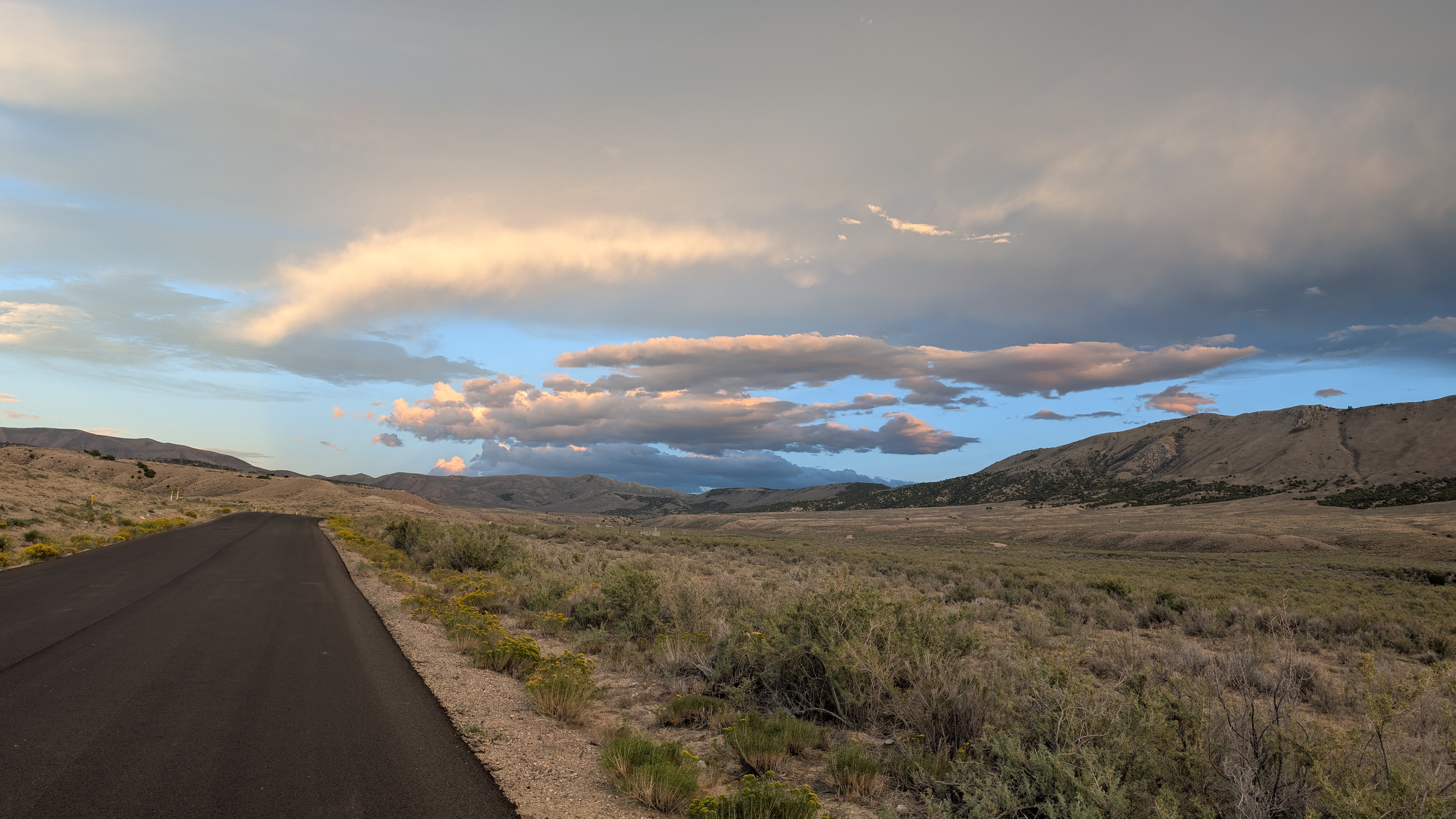
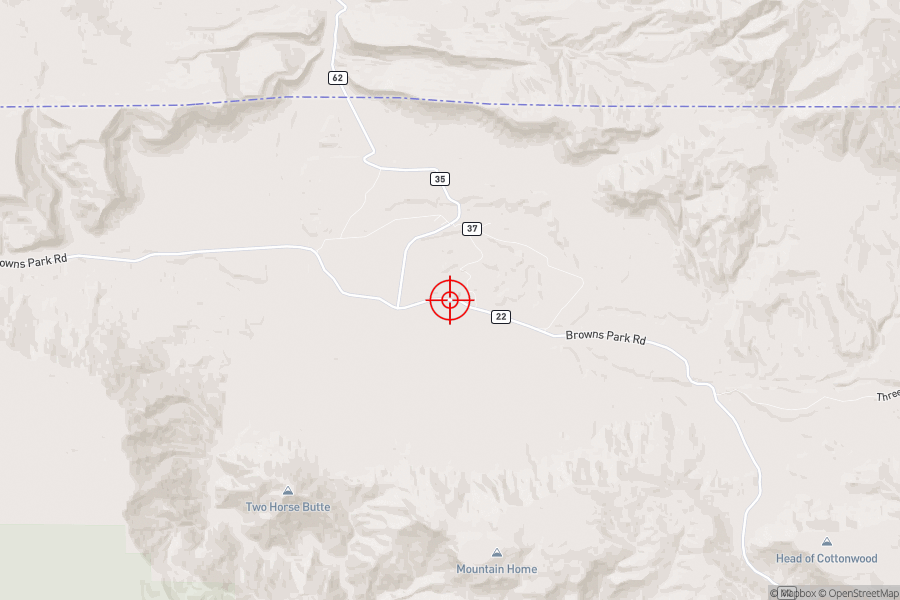
What a beautiful sunset. This is up in Clay Basin.